Introduction
Caring for an ostomy can be a challenging experience, both for individuals and their caregivers. An ostomy-- whether it's a colostomy, ileostomy, or urostomy-- represents a substantial modification in one's life. These operations develop an opening (stoma) that allows waste to leave the body when a part of the digestion or urinary tract is not functioning effectively. Nevertheless, with proper education and learning and training, individuals can lead meeting lives post-surgery. In this comprehensive guide, we will discover pointers and insights from experienced healthcare providers on caring for an ostomy, covering every little thing from stoma care training to bowel care management.

What is an Ostomy?
Understanding the Basics of Ostomies
An ostomy is an operation that develops a man-made opening in the body for waste removal. This can be necessary as a result of numerous clinical conditions such as cancer cells, inflammatory digestive tract condition, or stressful injury.
Types of Ostomies
- Colostomy: A section of the colon is brought via the abdominal wall. Ileostomy: The ileum (the last part of the little intestinal tract) is drawn away to an opening in the stomach wall. Urostomy: This type draws away pee far from an unhealthy bladder.
Each kind calls for details care procedures that vary based on specific needs.
What is a Stoma?
Definition and Function
A stoma is the actual opening created during surgery. It functions as an electrical outlet for physical waste, which can be accumulated in external bags or bags.
Characteristics of a Healthy and balanced Stoma
- Color: Need to be pink or red. Size: Can vary but need to continue to be consistent over time. Moisture: A healthy and balanced stoma will certainly appear moist.
Caring for an Ostomy: Tips from Experienced Healthcare Providers
The Significance of Stoma Care Training
Proper stoma care training equips caretakers and patients with critical abilities required for effective monitoring. Educating usually consists of hands-on practice with pouching systems and understanding skin treatment techniques.
Key Components of Stoma Care Training
Pouching Systems: Learning about various types and just how to choose them based upon individual needs. Skin Care Protocols: Understanding exactly how to secure the skin around the stoma from irritation. Recognizing Complications: Determining indications of infection or other concerns promptly.Complex Digestive tract Treatment: NDIS Perspective
Overview of NDIS Complex Bowel Care Training
For those eligible under the National Handicap Insurance System (NDIS), specialized training programs are available that concentrate on complex bowel care management.
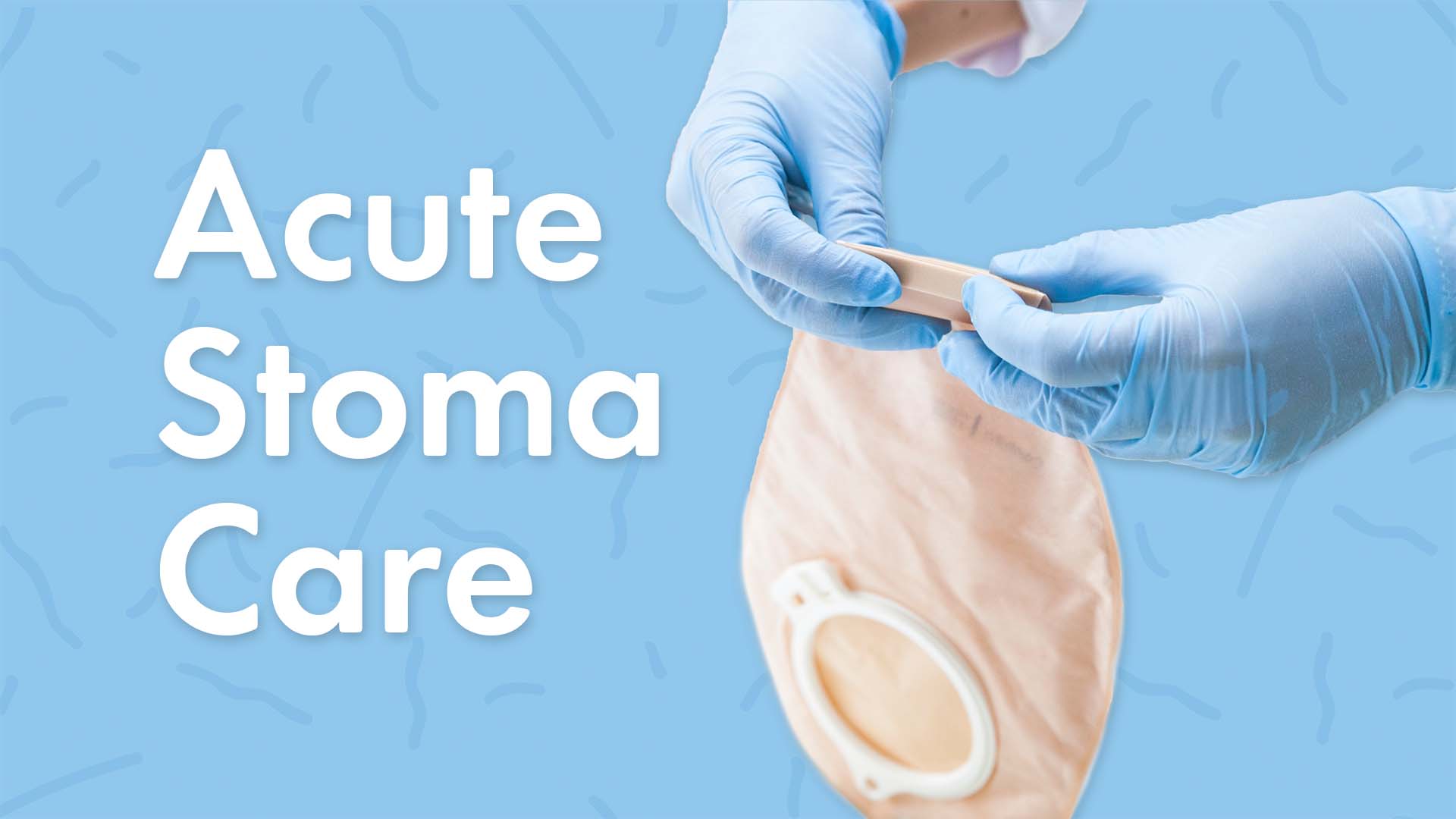
Benefits of NDIS Complex Bowel Care Training
- Enhanced expertise on digestive tract feature and wellness maintenance. Personalized support plans tailored to individual needs. Access to skilled healthcare specialists that provide education and learning and resources.
Bowel Care Monitoring Strategies
Importance of Digestive tract Care Courses
Participating in bowel treatment courses provides important expertise concerning maintaining gastrointestinal health and wellness post-surgery. These training courses usually cover nutrition standards, digestive tract regimens, and emergency response Visit this website strategies.
Topics Covered in Digestive tract Treatment Courses
- Dietary recommendations post-surgery Monitoring bowel movements Managing irregular bowel movements or looseness of the bowels
Effective Communication with Health care Providers
Maintaining open lines of interaction with healthcare providers can not be overemphasized. Regular consultations permit prompt changes to care strategies as needed.
Questions to Ask Your Medical Care Provider
What nutritional adjustments should I make? How do I identify indications of complications? How typically needs to I change my pouch?Essential Products for Ostomy Care
List of Required Supplies
Having the best materials at hand can streamline everyday regimens substantially. Below's a checklist:
|Product|Purpose|| ------|---------|| Pouching System|Gathers waste|| Skin Barrier|Safeguards skin around stoma|| Adhesive Eliminator|Relieves bag elimination|| Wipes & & Cleansers|For cleansing skin|
Where to Purchase Supplies
Ostomy products are offered through drug stores, on-line sellers, and specialized medical supply stores.
Emotional Assistance and Counseling
Coping with Psychological Challenges
The change after receiving an ostomy can be emotionally straining; for that reason, emotional assistance plays an important role in recovery.
Available Resources
Support teams both online and offline. Counseling services focusing on chronic ailment adjustment. Educational seminars focusing on living well with an ostomy.Nutrition Factors to consider Post-Ostomy Surgery
Dietary Modifications After Surgery
Patients may need to adapt their diet plans to make certain optimum digestive tract health post-surgery:
Recommended Foods
- Low-fiber foods initially Gradual introduction of high-fiber foods Plenty of fluids
Foods to Avoid
Processed foods Excessively sweet items Gas-producing foods like beans or cabbageTravel Tips for Ostomy Patients
Traveling with an ostomy calls for additional preparation however should not hinder way of living choices drastically:
Always bring added supplies. Research centers at your destination pertaining to medical aid availability. Keep treats useful that are very easy on your digestive system system.
Fitness After Ostomy Surgery
Maintaining physical conditioning after surgical procedure improves wellness but ought to be come close to carefully:
Start slow; light strolling can aid regain strength. Consult healthcare providers before beginning any type of exercise regimen. Focus on activities that do not tax your abdominal area initially; swimming can be gentle yet effective.Common Issues Related to Ostomies
Understanding potential problems helps in very early detection:
|Issue|Signs & & Signs|Administration|| --------------|------------------|------------|| Skin Inflammation|Inflammation, itching|Usage barrier lotions|| Obstruction|Abdominal pain, swelling|Hydration & & stool softeners|| Infection|Unusual discharge|Look for immediate clinical attention|
FAQs Regarding Caring for an Ostomy
FAQ 1: What must I do if my stoma appears discolored?
If your stoma adjustments color (e.g., dark purple), it might suggest decreased blood flow; seek clinical interest immediately.
FAQ 2: How usually do I require to transform my pouch?
Most bags need to be altered every 3-- 7 days relying on wear-time referrals by producers and individual comfort levels.
FAQ 3: Can I swim with an ostomy?
Yes! Most individuals with ostomies can swim securely using waterproof pouches designed specifically for aquatic activities.
FAQ 4: Exists food I should prevent after having surgery?
Certain foods might aggravate your system; consult your doctor regarding nutritional restrictions tailored specifically for you.
FAQ 5: Exactly how do I manage odors related to my ostomy?
Using odor-proof bags combined with deodorizers can assist take care of unpleasant scents effectively throughout wear-time.
FAQ 6: Will having an ostomy affect my ability to work?
Most people return to function after recovery; nevertheless, lodgings may often be required relying on task demands.
Conclusion
Caring for an ostomy includes recognizing various facets consisting of proper training in stoma care, nutrition considerations, psychological assistance systems, and recurring communication with doctor-- all critical parts adding toward effective monitoring post-surgery. By welcoming these strategies derived from expert guidance within this guide entitled "Taking care of an Ostomy: Tips from Experienced Health Care Providers," individuals can browse their brand-new fact confidently while attaining optimal quality-of-life outcomes progressing right into this new chapter they deal with after going through such significant life changes.